Erika Silveira is a Registered Psychotherapist (Qualifying) who is currently completing her Master of Arts in Counselling Psychology at Yorkville University. For the past ten years she has guided clients through anxiety, depression, trauma, and parent-child conflict. Erika’s creative, client-centred approach helps children, adolescents, and adults feel heard, understood, and empowered to make meaningful change.

Understanding the Connection Between OCD and Anxiety Disorders: Emerging Practices
April 23, 2025
Obsessive-Compulsive Disorder (OCD) and anxiety disorders are closely interlinked, with overlapping symptoms that often make it challenging to distinguish between the two. Both conditions can significantly impact an individual's quality of life, leading to persistent worries, intrusive thoughts, and compulsive behaviors. However, understanding the nuances of their connection can open doors to more effective treatment strategies. Recent developments in psychotherapy are shedding light on emerging practices that offer hope and relief to those affected.
At the heart of OCD lies the presence of intrusive, unwanted thoughts and the compelling urge to engage in certain behaviors to alleviate the anxiety these thoughts provoke. Anxiety disorders, while manifesting in a myriad of forms, often include excessive worry, restlessness, and a heightened state of alertness. The relationship between OCD and anxiety is intricate, as OCD is frequently considered a form of anxiety disorder itself. However, recognizing their distinct features is crucial for developing tailored therapeutic approaches.
One of the emerging practices in the treatment of OCD and anxiety disorders is the use of Acceptance and Commitment Therapy (ACT). Unlike traditional cognitive-behavioral therapies that focus on changing the content of thoughts, ACT encourages individuals to accept their thoughts and feelings without judgment. This acceptance is coupled with a commitment to personal values and actions that align with those values. By shifting focus from eliminating anxiety to living meaningfully regardless of it, ACT offers a supportive framework for individuals to navigate their symptoms more effectively.
Mindfulness-based interventions are also gaining traction in the therapeutic landscape for OCD and anxiety disorders. Mindfulness teaches individuals to become more aware of the present moment, fostering a deeper understanding of their thoughts and emotions. This practice can reduce the power of intrusive thoughts by cultivating a non-reactive stance towards them. As people learn to observe their mental processes without immediate reaction, they can break the cycle of anxiety and compulsive behaviors, finding relief in the process.
In the realm of pharmacotherapy, selective serotonin reuptake inhibitors (SSRIs) are a common choice for both OCD and anxiety disorders. However, emerging research suggests that combining medication with psychotherapy can enhance outcomes. Therapy offers tools and strategies to manage symptoms, while medication can provide the biochemical support needed to facilitate therapeutic progress. This integrated approach ensures a comprehensive treatment plan that addresses the multifaceted nature of these conditions.
Peer support and community engagement are increasingly recognized as valuable components of managing OCD and anxiety disorders. Sharing experiences in a supportive group setting can alleviate feelings of isolation and provide encouragement from individuals who understand the challenges firsthand. Community-based initiatives and online forums are making these interactions more accessible, offering a sense of belonging and shared resilience.
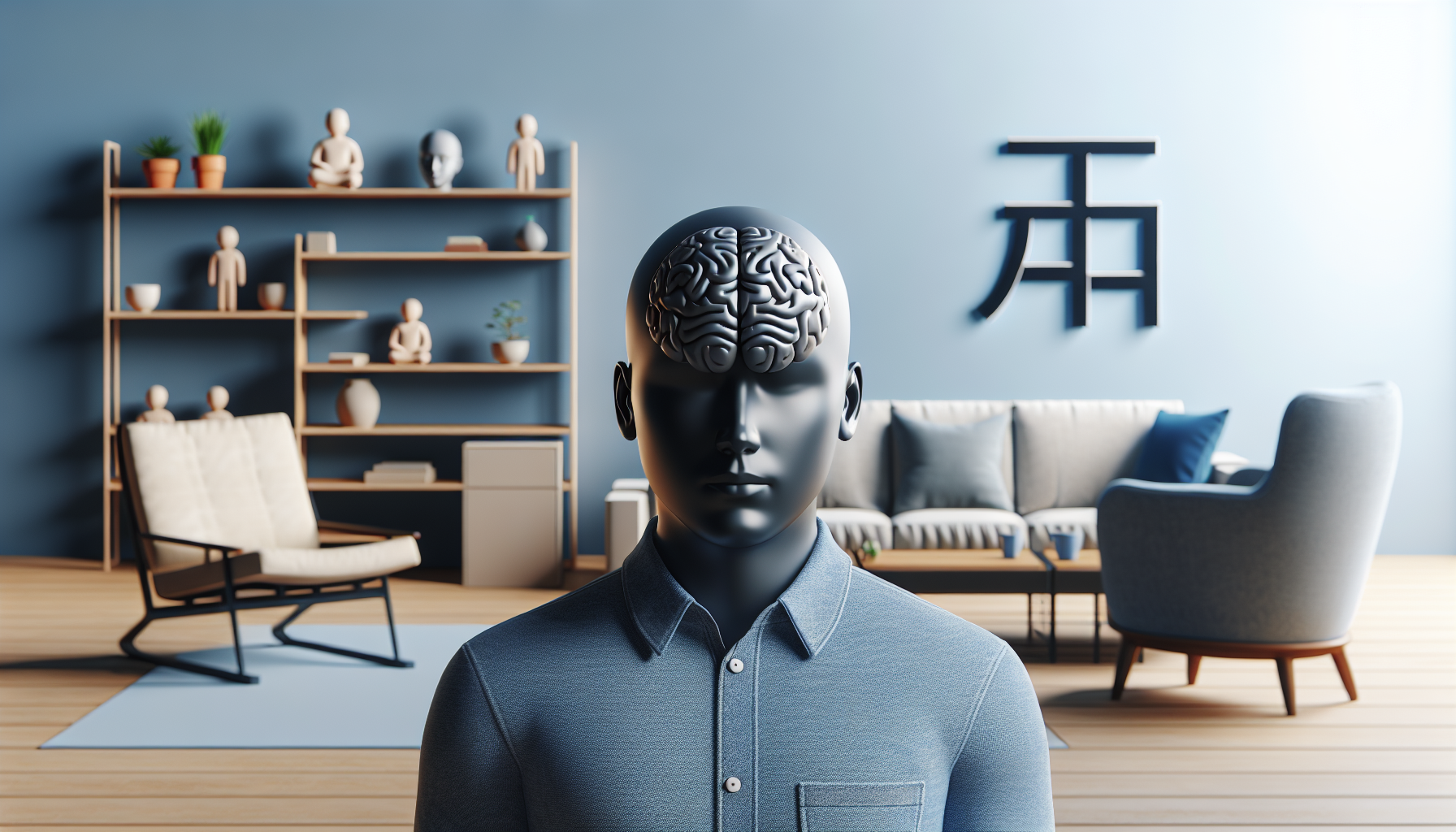
As we delve deeper into the connection between OCD and anxiety disorders, neurobiological research continues to offer insights. Studies focusing on the brain's circuitry have revealed that certain areas, such as the amygdala and prefrontal cortex, play significant roles in both conditions. Understanding these neurological underpinnings not only aids in refining existing treatments but also in developing novel interventions that target specific brain functions.
The integration of technology into treatment practices is another exciting frontier. Virtual reality (VR) exposure therapy, for instance, provides a controlled environment where individuals can confront their fears in a safe, immersive setting. This technology enhances traditional exposure therapy by creating realistic scenarios that can be tailored to the individual's specific triggers. The adaptability and precision of VR offer a promising avenue for those struggling with OCD and related anxiety disorders.
Despite the progress being made, the journey to managing OCD and anxiety disorders is deeply personal and often complex. It requires patience, understanding, and a willingness to explore various therapeutic options. Each individual's experience is unique, and what works for one person may not be as effective for another. Therefore, fostering a supportive environment where individuals feel empowered to seek help and explore different treatment modalities is crucial.
As we continue to explore the relationship between OCD and anxiety disorders, we are reminded of the resilience of the human spirit and the capacity for change. Which emerging practice resonates with you, and how might it inspire a new path toward healing and understanding?

Content on this site is created through research and editorial tools to ensure clarity and quality. Digital assistance may support the writing process. Information is for general educational purposes and not a substitute for professional mental health care. Silver Light Psychotherapy is committed to transparency, integrity, and respectful dialogue around mental health.
Some stories shared on this site are fictionalized and may include composite characters or altered details. Names, scenarios, and identifying features have been changed to protect privacy and are intended solely for illustrative and educational purposes. These stories do not depict actual clients or real events.