Erika Silveira is a Registered Psychotherapist (Qualifying) who is currently completing her Master of Arts in Counselling Psychology at Yorkville University. For the past ten years she has guided clients through anxiety, depression, trauma, and parent-child conflict. Erika’s creative, client-centred approach helps children, adolescents, and adults feel heard, understood, and empowered to make meaningful change.

Understanding Neurodiversity: Dispelling Myths for Better Mental Health
July 4, 2025
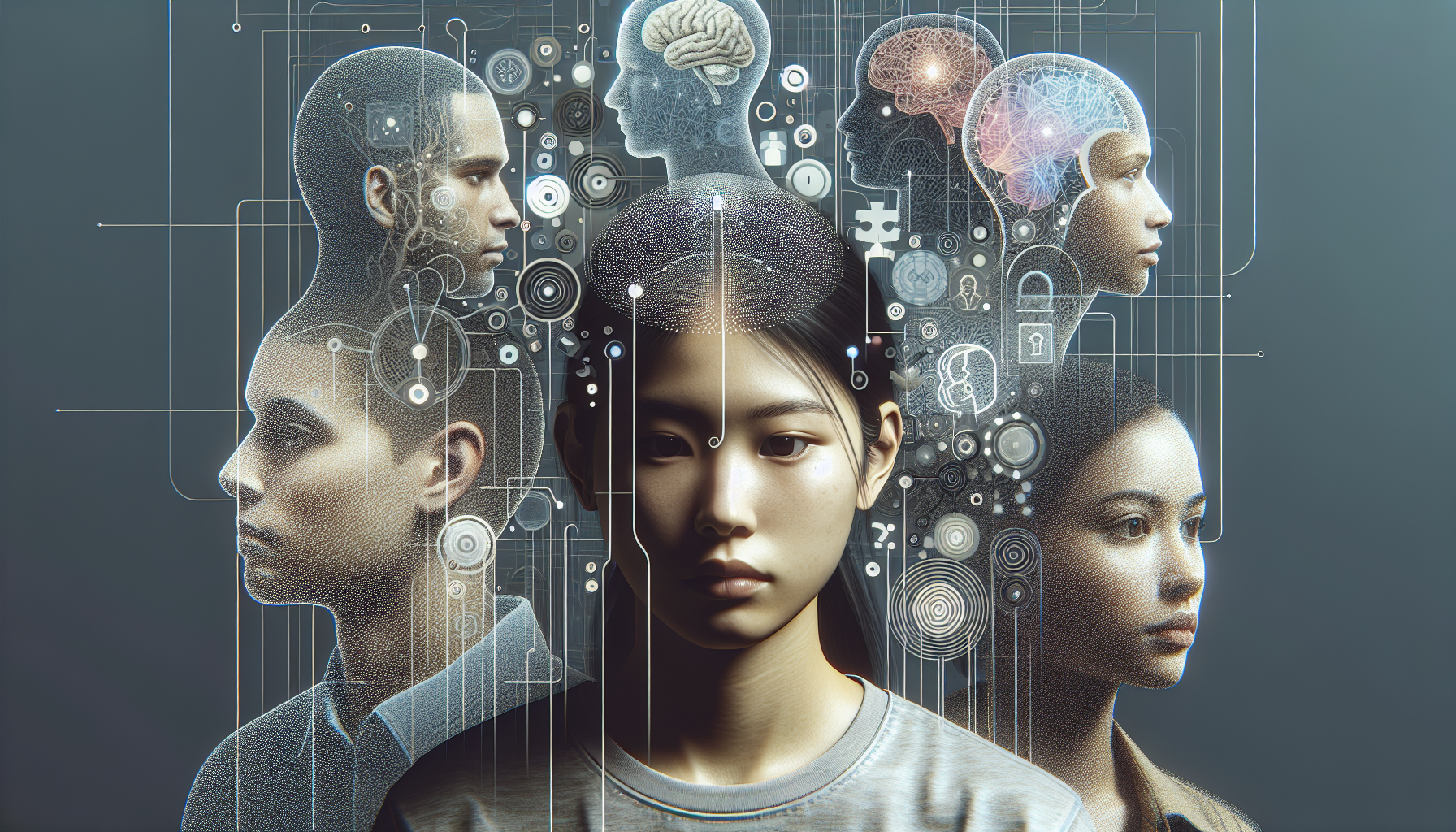
In the realm of mental health, the concept of neurodiversity is often misunderstood, shrouded in myths that can obscure its true essence. At its core, neurodiversity embraces the idea that neurological differences—such as autism, ADHD, dyslexia, and others—are natural variations of the human genome. These differences are not deficits or disorders to be cured but are integral aspects of human diversity that enrich our world. By exploring these nuances, we can begin to dismantle myths and cultivate a more empathetic understanding of mental health.
One common misconception is that neurodiversity implies a lack of ability or intelligence. This myth is rooted in outdated stereotypes that fail to recognize the unique strengths and capabilities of neurodivergent individuals. For instance, many people with autism possess exceptional skills in pattern recognition, logical reasoning, and attention to detail. Similarly, individuals with ADHD often exhibit remarkable creativity and problem-solving abilities. By reframing our perspective, we can appreciate these differences as valuable contributions rather than shortcomings.
Another myth suggests that neurodivergent individuals are all the same, displaying identical traits and challenges. This oversimplification overlooks the vast diversity within each neurodivergent category. Just as no two neurotypical individuals are identical, the experiences and abilities of neurodivergent people can vary widely. For example, one person with dyslexia might struggle with reading but excel in spatial reasoning, while another might find innovative ways to comprehend text. Recognizing this individual variability is crucial for providing appropriate support and fostering acceptance.
The belief that neurodivergent individuals cannot lead fulfilling lives is another pervasive myth that needs addressing. This assumption is not only inaccurate but also damaging, as it can lead to exclusion and limited opportunities. With the right support and accommodations, neurodivergent individuals can thrive in various professional and personal settings. Numerous successful figures in the arts, sciences, and business sectors have identified as neurodivergent, highlighting that these differences can be sources of strength and innovation.
A particularly harmful myth is the notion that neurodiversity and mental illness are synonymous. While some neurodivergent individuals may experience mental health challenges, this is not universally true. It is essential to differentiate between the two and not conflate neurological differences with mental health disorders. This distinction allows for more accurate diagnoses and more effective mental health support tailored to individual needs.
Education systems play a crucial role in shaping perceptions of neurodiversity, yet they often fall short by adhering to traditional learning models that do not accommodate diverse needs. This rigid approach can exacerbate feelings of inadequacy and exclusion among neurodivergent students. By adopting inclusive teaching methods that recognize diverse learning styles, educators can create environments where all students have the opportunity to succeed. This shift requires embracing flexibility and creativity in teaching strategies, ultimately benefiting both neurodivergent and neurotypical learners.
In workplaces, fostering an inclusive culture that values neurodiversity can lead to more dynamic and innovative teams. Employers who prioritize neurodiverse hiring practices not only enhance their workforce but also gain fresh perspectives that can drive progress. Simple adjustments like flexible work hours, customized communication methods, and sensory-friendly environments can make a significant difference in supporting neurodivergent employees.
As we strive to understand neurodiversity, it is crucial to listen to the voices of neurodivergent individuals themselves. Their lived experiences offer invaluable insights into the challenges and triumphs they face. By amplifying these voices, we can challenge assumptions and redefine what it means to be successful and healthy.
The journey toward embracing neurodiversity is ongoing, requiring open-mindedness and a willingness to challenge long-held beliefs. As we continue to learn and grow, we must ask ourselves: How can we create spaces that honor the full spectrum of human diversity? By addressing this question with empathy and action, we can pave the way for a society that celebrates all minds, fostering a world where everyone has the opportunity to thrive.

Content on this site is created through research and editorial tools to ensure clarity and quality. Digital assistance may support the writing process. Information is for general educational purposes and not a substitute for professional mental health care. Silver Light Psychotherapy is committed to transparency, integrity, and respectful dialogue around mental health.
Some stories shared on this site are fictionalized and may include composite characters or altered details. Names, scenarios, and identifying features have been changed to protect privacy and are intended solely for illustrative and educational purposes. These stories do not depict actual clients or real events.