Erika Silveira is a Registered Psychotherapist (Qualifying) who is currently completing her Master of Arts in Counselling Psychology at Yorkville University. For the past ten years she has guided clients through anxiety, depression, trauma, and parent-child conflict. Erika’s creative, client-centred approach helps children, adolescents, and adults feel heard, understood, and empowered to make meaningful change.
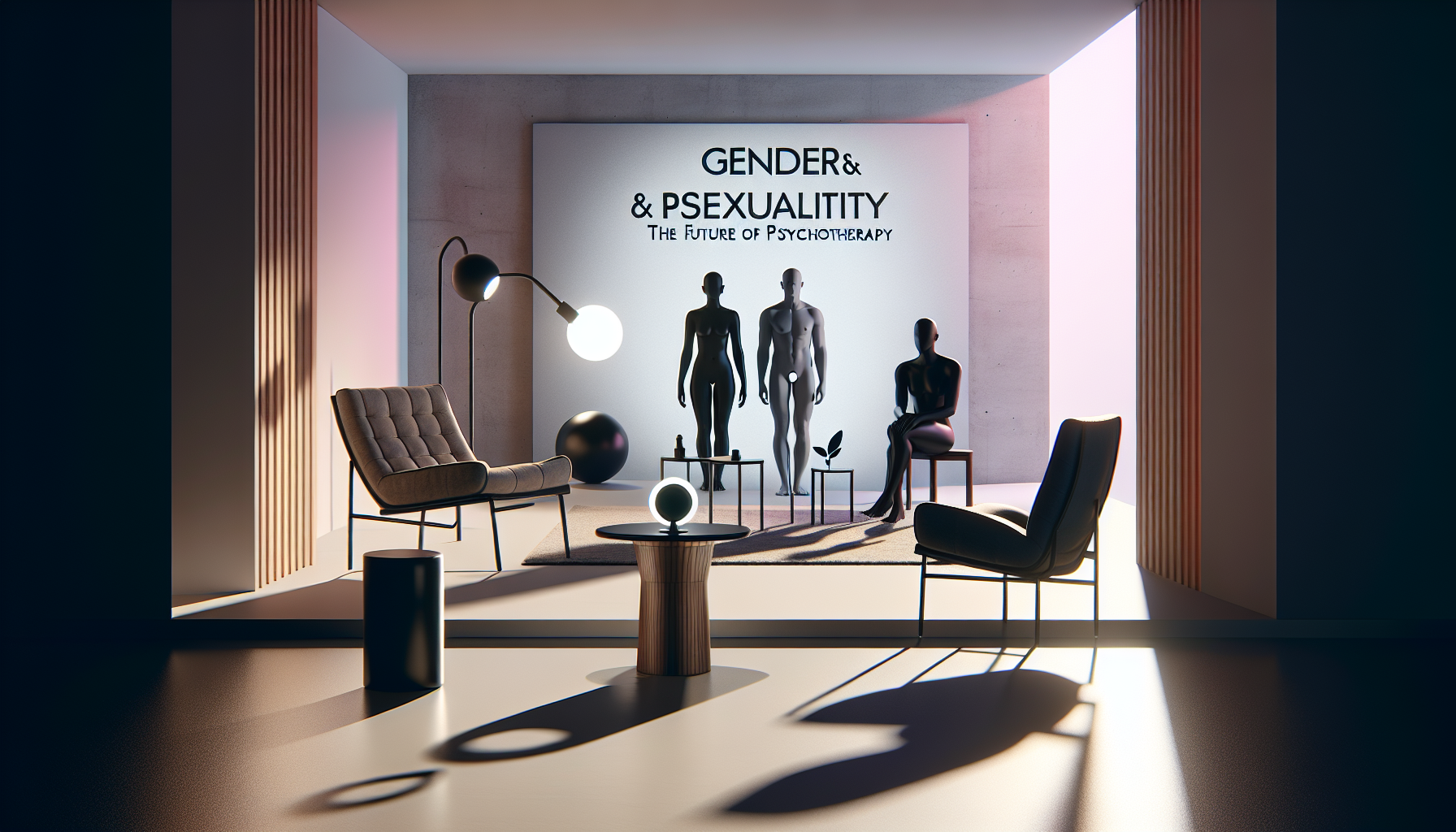
The Future of Psychotherapy: Embracing Diverse Gender Roles Across Cultures
April 22, 2025
In a world where diversity is cherished more than ever, psychotherapy stands at a promising crossroads. It is a field that has long been dedicated to understanding the intricacies of the human mind and emotions, and now, it is evolving to reflect a more inclusive understanding of gender and sexuality. The history of gender roles across various cultures offers a rich tapestry of perspectives that can guide this evolution, providing a hopeful path forward.
Throughout history, gender roles have varied immensely across cultures, often shaped by societal norms, religious beliefs, and economic necessities. In many Indigenous cultures, for instance, there were often more than two recognized genders. The concept of "Two-Spirit" in some Native American tribes is a testament to this, representing a person who embodies both masculine and feminine qualities. Such cultural understandings challenge rigid binaries and open up possibilities for more nuanced interpretations of gender.
In some societies, like the Bugis of Indonesia, there are up to five recognized genders. This diverse approach to gender roles reflects an acceptance of fluidity and complexity that many modern societies are only beginning to embrace. By looking at these historical precedents, psychotherapy can expand its frameworks to accommodate and affirm diverse gender identities, offering a more personalized and empathetic approach to mental health.
Psychotherapy's future lies in its ability to integrate these rich cultural insights into its practices. This means moving beyond traditional gender norms that have often constrained individuals, particularly those whose identities do not fit neatly into binary categories. By doing so, therapists can create spaces where clients feel valued and understood for who they genuinely are, rather than who they are expected to be.
Moreover, the recognition of non-binary and fluid gender identities is gaining traction globally, influencing how mental health professionals approach therapy. This shift is not just about acknowledging new labels but understanding the lived experiences of people who defy conventional gender roles. Therapy, therefore, becomes a journey of discovery and affirmation, where clients are encouraged to explore and express their authentic selves without fear of judgment or misunderstanding.
The hopeful future of psychotherapy also involves a commitment to continuous education and cultural competence. Mental health professionals are increasingly seeking training to better understand the diverse expressions of gender and sexuality. This commitment ensures that therapists can provide care that is sensitive to the cultural backgrounds and personal experiences of their clients, fostering a therapeutic environment that respects and celebrates diversity.
Furthermore, the integration of technology into psychotherapy offers new opportunities for exploring gender and sexuality. Online platforms and digital tools are making therapy more accessible to people who might face barriers in traditional settings. These platforms can provide safe spaces for individuals to explore their identities, connect with supportive communities, and access resources that affirm their experiences.
The conversation around gender and sexuality in psychotherapy is also being enriched by ongoing research. Studies examining the mental health outcomes of individuals across different gender identities are shedding light on the unique challenges and strengths they possess. This research is crucial for developing therapeutic approaches that are not only effective but also empowering for clients.
As we look to the future, the potential for psychotherapy to contribute to a more inclusive and compassionate world is immense. By embracing diverse gender roles and celebrating the richness of human experience, psychotherapy can help dismantle stereotypes and foster greater understanding and empathy. This transformation is not just beneficial for clients; it enriches the field itself, making it more responsive and relevant in a rapidly changing world.
What might the future hold as psychotherapy continues to evolve? Perhaps it lies in the creation of therapeutic paradigms that are as diverse and dynamic as the people they serve. As we forge ahead, the challenge and opportunity are to envision a world where every individual, regardless of gender or sexuality, can access the support they need to thrive. How might this shape not only the practice of psychotherapy but also our collective understanding of what it means to be human?

Content on this site is created through research and editorial tools to ensure clarity and quality. Digital assistance may support the writing process. Information is for general educational purposes and not a substitute for professional mental health care. Silver Light Psychotherapy is committed to transparency, integrity, and respectful dialogue around mental health.
Some stories shared on this site are fictionalized and may include composite characters or altered details. Names, scenarios, and identifying features have been changed to protect privacy and are intended solely for illustrative and educational purposes. These stories do not depict actual clients or real events.