Erika Silveira is a Registered Psychotherapist (Qualifying) who is currently completing her Master of Arts in Counselling Psychology at Yorkville University. For the past ten years she has guided clients through anxiety, depression, trauma, and parent-child conflict. Erika’s creative, client-centred approach helps children, adolescents, and adults feel heard, understood, and empowered to make meaningful change.
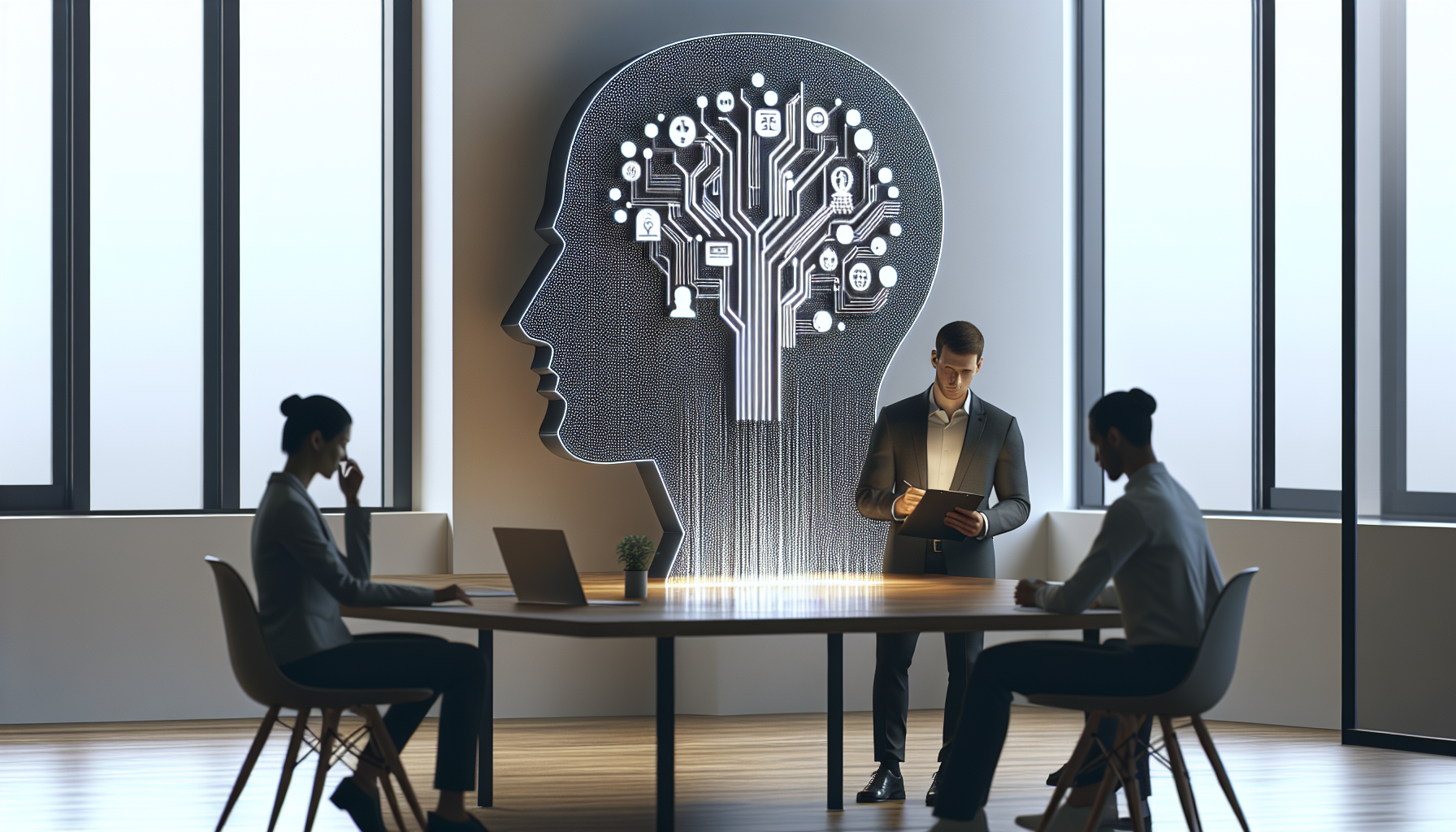
Creative Outlets as Alternatives to Self-Harm: The Future of Psychotherapy
July 25, 2025
The journey of psychotherapy is ever-evolving, and as we look toward the future, one promising horizon is the use of creative outlets as alternatives to self-harm. This approach not only offers hope but also empowers individuals to transform pain into personal expression and healing.
Self-harm, often shrouded in misunderstanding, is a complex coping mechanism that numerous individuals turn to in moments of distress. The act of physically hurting oneself can be a way to express difficult emotions, exert a sense of control, or relieve unbearable tension. Yet, the cycle of self-harm can trap individuals in a repetitive pattern of pain and relief, often leading to feelings of shame and isolation.
Emerging therapeutic strategies are harnessing the power of creativity to break this cycle, providing a beacon of hope for those seeking healthier ways to cope. Creative outlets such as painting, writing, music, and dance offer alternative pathways for emotional expression. These outlets not only provide immediate relief but also foster long-term resilience and self-discovery.
Art therapy, for instance, has gained significant recognition within the therapeutic community. It allows individuals to explore their emotions and experiences through visual creativity, often bypassing the limitations of verbal communication. The process of creating art can be cathartic, enabling individuals to externalize their internal struggles. By transforming abstract feelings into tangible forms, individuals can gain new insights into their emotions and begin to process them in healthier ways.
Writing therapy, or expressive writing, is another powerful tool. It provides a structured way to articulate thoughts and feelings, offering clarity and perspective. The act of writing can serve as a release, helping to alleviate emotional pressure. Moreover, it can be a reflective practice, allowing individuals to track their emotional growth over time. Many find solace in journaling, poetry, or storytelling, using words to weave a narrative of healing and empowerment.
Music therapy taps into the profound impact of sound and rhythm on the human psyche. Listening to music can evoke emotions and memories, offering a safe space for individuals to explore feelings. Creating music, whether through singing, playing instruments, or composing, allows for a dynamic and interactive form of self-expression. The rhythm and melody can mirror the ebb and flow of emotions, helping individuals to process and regulate their feelings.
Dance and movement therapy add another dimension to this creative spectrum. Physical movement can be an effective way to release pent-up emotions and stress. Through dance, individuals can reconnect with their bodies, fostering a sense of presence and grounding. Movement can symbolize freedom and transformation, providing a visceral experience of letting go and embracing change.
The future of psychotherapy lies in its ability to integrate these creative approaches into traditional therapeutic practices. By doing so, therapists can tailor interventions to meet the unique needs of each individual, fostering a more personalized and holistic healing journey. As these creative therapies gain traction, they are being increasingly recognized for their ability to complement and enhance conventional methods, such as cognitive-behavioral therapy and medication.
Moreover, the accessibility of creative outlets makes them particularly appealing. They can be practiced in various settings, from clinical environments to the comfort of one's home. This flexibility ensures that individuals can engage in creative expression at their own pace, in spaces where they feel safe and supported.
As we continue to explore the potential of creative therapies, it is crucial to consider the role of technology in expanding access and engagement. Digital platforms and apps can offer guided creative therapy sessions, making these resources available to a broader audience. Virtual communities can provide support and connection, fostering a sense of belonging among individuals who share similar struggles and aspirations.
The integration of creative outlets as alternatives to self-harm not only opens new avenues for healing but also challenges the stigma surrounding mental health. By promoting creativity as a legitimate and effective therapeutic tool, we can shift societal perceptions and encourage more open conversations about mental well-being.
Ultimately, the future of psychotherapy is bright with possibilities, as it embraces creativity and innovation. As we continue to unravel the depths of human emotion, one question remains: How can we further harness the power of creativity to cultivate a world where healing and hope are accessible to all?

Content on this site is created through research and editorial tools to ensure clarity and quality. Digital assistance may support the writing process. Information is for general educational purposes and not a substitute for professional mental health care. Silver Light Psychotherapy is committed to transparency, integrity, and respectful dialogue around mental health.
Some stories shared on this site are fictionalized and may include composite characters or altered details. Names, scenarios, and identifying features have been changed to protect privacy and are intended solely for illustrative and educational purposes. These stories do not depict actual clients or real events.